

Help your health and the planet.
I have been asked multiple times about the one food item we can eliminate from our diet to combat climate change. My answer is always the same without hesitation: "Stop consuming meat." Often, a momentary silence is followed by a rather evasive question: "What else can I eliminate besides meat?" It seems that our attachment to meat is something that we find hard to let go of.
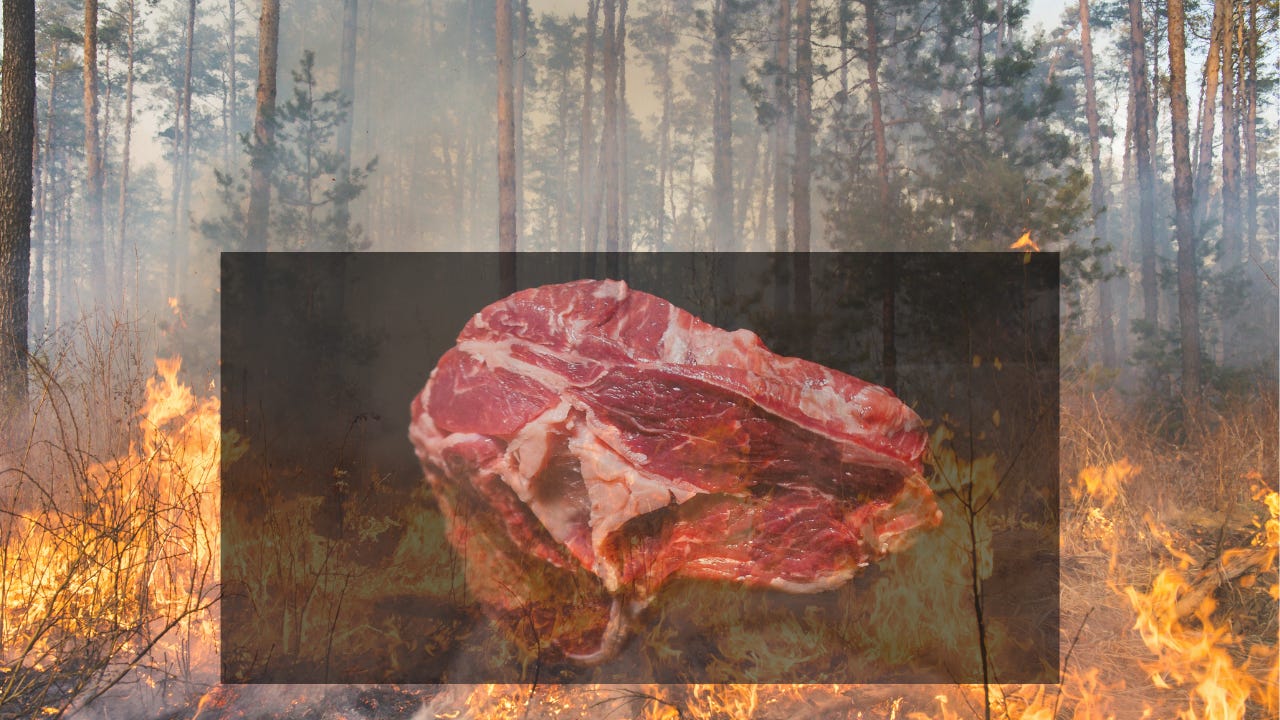
The production of meat and dairy, especially from cows, substantially impacts climate change. Livestock accounts for around 14.5 percent of the world's annual greenhouse gas emissions. We must take decisive and immediate action to address the climate crisis effectively. One crucial step you can take is to reduce your consumption of meat, particularly red meat. Doing so contributes to the collective effort to mitigate climate change.
Consuming less red meat and dairy can substantially reduce your carbon footprint. This change is considered to have a greater impact than other dietary modifications such as eating locally, seasonally, or organically.
Global food production, especially meat production, creates environmental degradation, climate instability, and biodiversity loss. A recent study discovered that eliminating meat from one's diet can achieve a remarkable 34 percent reduction in greenhouse gas emissions. This finding underscores the significant impact of your dietary choices on our planet's sustainability and emphasizes the significant environmental effects of dietary preferences. Our conscientious decisions matter.
Want to nerd out on the science? Go here: Less meat is nearly always better
Giving up meat can be tough.
Giving up meat can be quite a challenge for several reasons. Firstly, humans have an innate affinity for savory and fatty foods. Throughout history, our ancestors relied on meat as a source of calories, prioritizing immediate sustenance over long-term health considerations.
In addition, meat has long been associated with strength and power in numerous cultures throughout history. Its presence in our dietary habits can be traced back to ancient civilizations, where it was revered as a source of sustenance and vitality. Meat consumption has remained deeply ingrained in our cultural traditions, symbolizing nourishment and providing satisfaction.
Many people believe that giving up meat is not possible due to the nutrients it provides, such as protein and iron, which are essential for energy and overall health. However, numerous alternative sources of the same nutrients can be found in vegetables and grains such as legumes, quinoa, and beans.
The wow factor in the taste of meat is also significant, as it is often described as rich and satisfying. Moreover, social and emotional factors, such as missing the foods one grew up with or feeling estranged from one's culture, can also contribute to the difficulty of giving up meat.
Add to this, the meat industry's relentless promotion and the widespread availability of a vast array of mouthwatering meat products can make it incredibly challenging to resist the temptation and allure of indulging in this savory delight. With enticing advertisements, tantalizing aromas, and many appealing options, the allure of meat consumption becomes even more difficult to resist, testing one's willpower and commitment to alternative choices.
How can I change my meat-eating habits effectively?
Changing the habit of eating meat can be a personal decision influenced by various factors such as health, environmental concerns, or ethical reasons. Here are some steps to help transition away from eating meat:
Committing to reduce meat consumption is the first step towards eating less meat.
Tie it to another goal. For example, find a goal that motivates you to eat less meat, such as improving your health or reducing your environmental impact.
Start small: Begin by reducing meat consumption gradually. For example, you can start with Meatless Mondays or gradually eliminate meat from your refrigerator or freezer.
Invite others to join you in reducing their intake, too. Having a support system can make it easier to stick to your commitment.
Experiment with new vegetarian or vegan recipes. Trying out new and delicious plant-based meals can help you discover alternative options and expand your palate.
Educate yourself on the benefits of reducing meat consumption, such as improving personal health and reducing environmental impact.
Find substitutes for your favorite meat dishes.
Plan vegetarian or plant-based meals to ensure you have satisfying and nutritious alternatives to meat. Explore new vegetarian ingredients and cuisines to diversify your diet and make the transition more enjoyable.
Creating achievable goals, finding nutritious food alternatives, and having a support network can help successfully transition from eating meat.
Transitioning to a vegetarian or plant-based diet is not an overnight task. It's important to remember that taking things slowly, one step at a time, is okay. Plus, there are plenty of delicious plant-based alternatives to enjoy. So have fun with it!
Ask yourself these key questions.
As you embark on the journey to reduce or eliminate meat from your diet, it's beneficial to reflect and ask yourself some key questions.
What are my primary reasons for eliminating meat? Identifying your motivations helps you stay committed to your goal. Read over this post and consider your motivations.
What are the potential challenges I may face?: Think ahead for the week and try to foresee obstacles such as dining out or meal planning. This can help you prepare effective strategies.
"How can I maintain a diverse and healthy diet while avoiding meat?" Research into vegetarian and vegan nutrition will be crucial for your health.
How do I feel about meat substitutes? Some people appreciate meat substitutes for their familiarity. In our home, we work hard at eating non-processed foods of any kind, so our substitutes are whole foods.
Who can support me on this journey?: My wife Trudy and I are on this adventure together. So, find like-minded individuals or communities who can provide encouragement and advice. It works.
Am I ready to explore and experiment with new foods and recipes?: A willingness to try new things can make your transition much more enjoyable.
How will I handle social situations involving meat?: Sometimes, this was the biggest temptation for backing off meat alternatives. Sometimes, I brought my own plant-based foods. Just think about how you'll navigate events like barbecues or family dinners.
Asking yourself these questions can provide a framework for your transition and ensure that it is a positive and sustainable change.
To get started, here is a great read: Food Rules, Michael Pollan
Bon appetite!