


Dear friends,
It’s easy to feel overwhelmed by the thought of toxic chemicals in our daily lives, but environmental health experts say that education, not fear, is the best defense. Routine exposure to dangerous substances is a real concern, but adopting a few simple strategies can significantly reduce your risk.
Recently, The Washington Post spoke with four environmental health experts and asked how they minimize exposure and reduce risk.
Here are seven practical steps, recommended by environmental health experts, to help minimize your exposure to harmful chemicals and microplastics:
1. Filter Your Drinking Water
With increasing concerns about contaminants such as lead and “forever chemicals” (PFAS) in water systems, experts say that using some form of filtration at the tap is always beneficial. They generally recommend drinking filtered tap water instead of bottled water, as studies have shown that bottled water often contains contaminants like microplastics.
2. Ditch Plastic Food Containers for Glass
Heat is the enemy of plastic. Studies show that heat causes microplastics and other chemicals to migrate into food and drinks.3 To significantly reduce your exposure:
Avoid putting hot food or liquids into plastic containers.
Don’t use anything that contains plastic in the microwave.
Switch to glass storage containers instead.
Also, consider using reusable bags for groceries, as plastic shopping bags eventually break down into ocean microplastics.
3. Minimize Fragrances in Your Home
Those pleasant scents from air fresheners, candles, plug-ins, and scented cleaning supplies can harm your indoor air quality. These products can release many chemicals, including dangerous air pollutants like formaldehyde and benzene, which can cause respiratory issues and headaches.
For years now, we have chosen unscented cleaning products and personal care items. Try simple options like diluted white vinegar or Castile soap. Experiment with essential oils, too.
4. Limit Consumption of Larger Fish

Microplastics and heavy metals are increasingly contaminating seafood.6 To reduce your exposure, experts suggest: Limiting the intake of larger, more predatory fish like tuna and swordfish, where heavy metals tend to build up.
Instead, choose smaller fish like trout and anchovies, which generally have lower levels of heavy metals.
5. Use an Air Filter and Wear a Good Mask
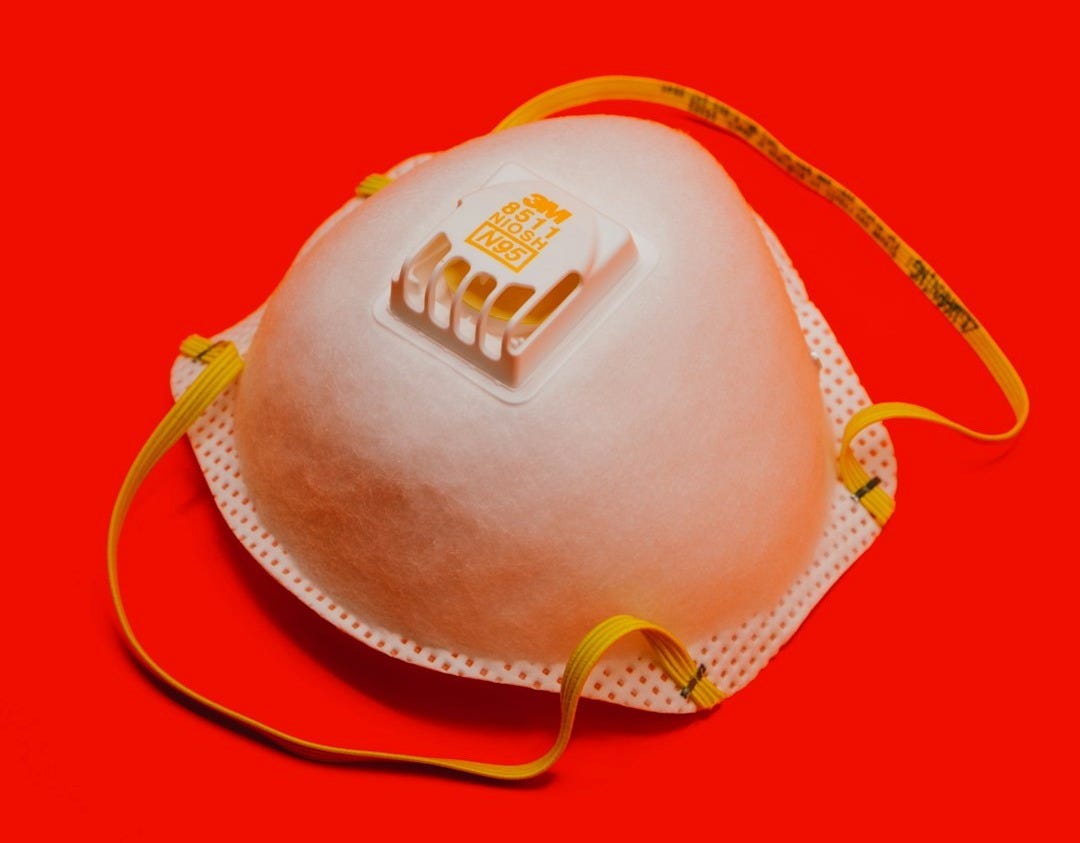
Outdoor air pollutants like smoke, smog, and car exhaust contain tiny, harmful particles.
Check local air quality apps or websites before heading out.
If the air quality is poor, close your windows and use an air purifier indoors.
When outdoor air quality is bad, wearing an N95 mask can help filter out fine particles and greatly reduce exposure risks.
6. Replace Worn-Out Nonstick Pans

The “forever chemicals” (PFAS) used in nonstick coatings are linked to serious health problems.10 The biggest risk comes from wear and tear and overheating.
When nonstick pans get scratches, they increase chemical exposure.11
Experts suggest gradually replacing worn nonstick cookware with safer alternatives like cast iron or stainless steel.
For more information, check out this article in NYTimes Wirecutter.
7. Do Your Best and Stay Informed
Completely eliminating toxic exposure can be challenging and costly. The main takeaway from experts is simple: Stay informed and keep making small, achievable steps. Focus on making gradual, manageable changes. Ultimately, many experts agree that government policies are needed to ensure that products are safe and to reduce hazardous exposures for everyone.
If you need help or have questions, let us know.
We’re in this together,
